
MOOD
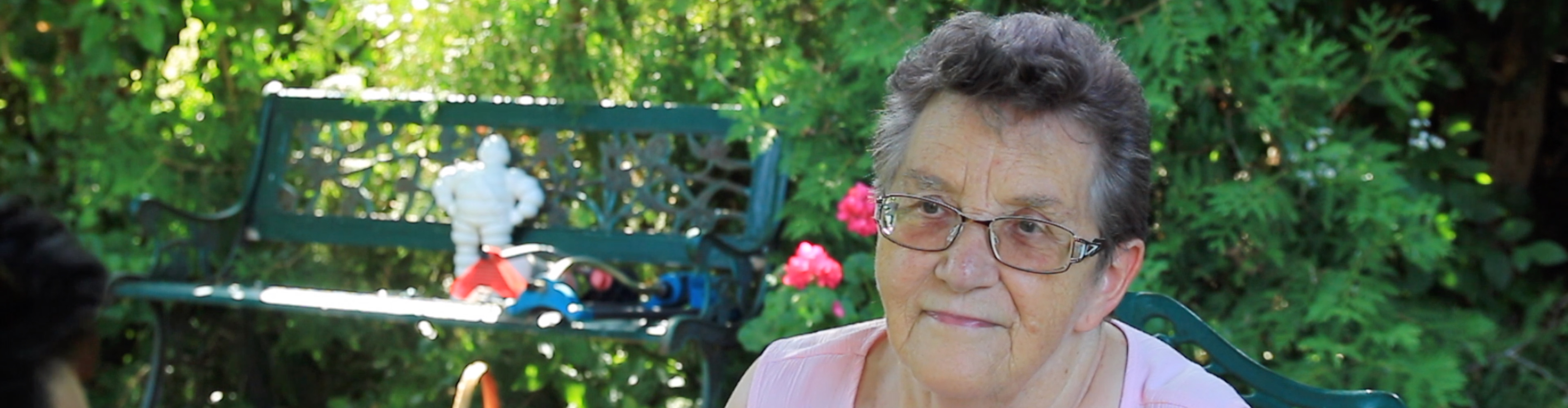
Quality of life in old age is enhanced by a modern, active approach to reaching out to one another.
A team project by Jasmin Falk, Elena Feuerstein, Marco Frumento, Jessica Hammer and Len Harms
6th semester, 2019
Supervising lecturers: Prof. Claudius Coenen, Christoph Diederichs, Prof. Andrea Krajewski, Prof. Garrit Schaap, Andreas Schindler
The problem of loneliness
Loneliness and social isolation can occur at any stage of life. In particular, the loss of friends, family, mobility and health can be contributing factors and may lead to feelings of loneliness. In old age, loneliness tends to arise especially when one’s familiar living environment changes. Illness, bereavement or separation can trigger such changes.
However, physical limitations can also prevent older people from participating in social life. It is therefore important to consciously address feelings of loneliness and take action to combat them. After all, everyone should be able to grow old with dignity.

Solution
Mood helps to bring social interactions back to the fore, thereby fostering social participation. This is achieved through an ambient intelligent system in a multi-generational home, which facilitates active social interaction. This multi-generational home accommodates shared-living communities comprising both older and younger generations.
Mood aims to encourage residents to reach out to one another and raise their awareness of each other’s needs. This enables the moods of individual residents to be recognised and addressed as required. It could therefore also help to overcome the barrier to making new contacts.
Concept
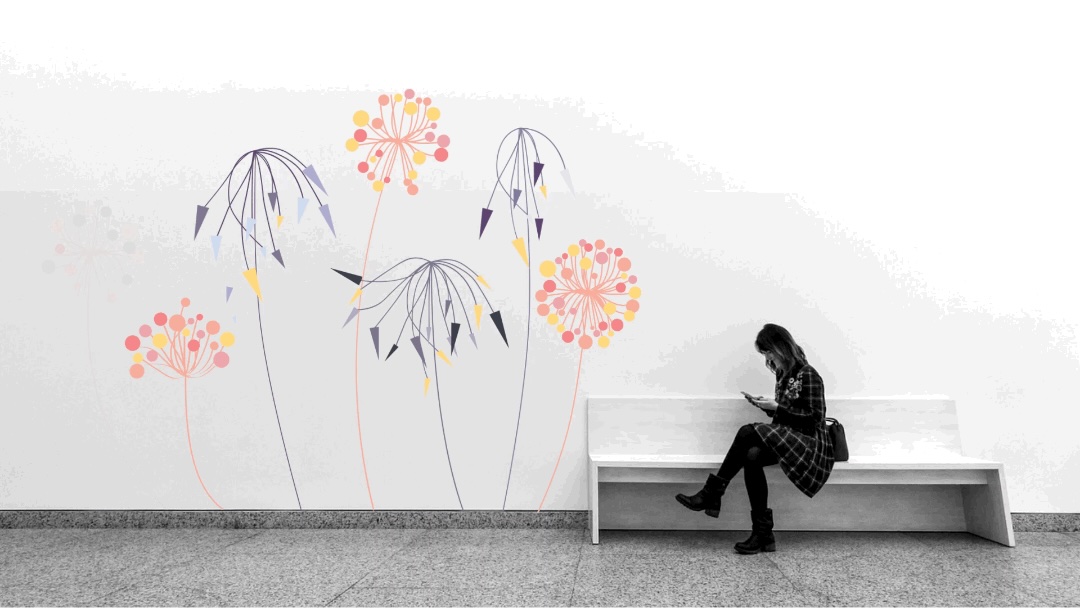
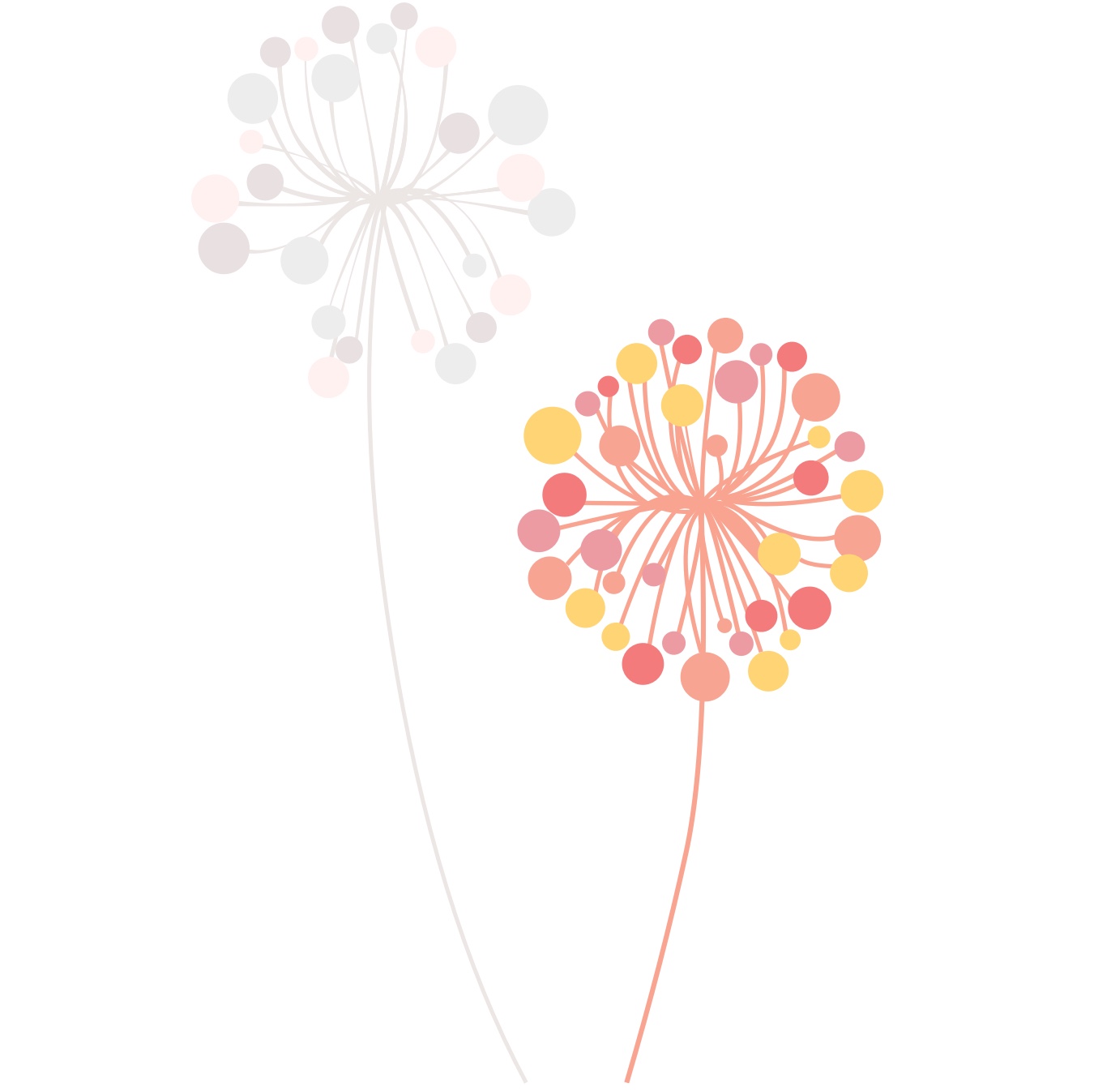
The ambient intelligence system covers the interior of the multi-generational home; the stairwell serves as the interaction environment. The system analyses the moods of the individual residents. This is done via a smartwatch worn on the resident’s wrist. This smartwatch is able to detect the residents’ moods by analysing their heart rate, counting their steps and interpreting their facial expressions. The information collected is then displayed in the stairwell in the form of a visual representation of mood (a flower). These flower projections are intended to appear in the building’s communal areas, in door frames and inside the flats.
This allows every resident to sense the mood in the house at any time and get an overview of the atmosphere. The flowers, which symbolise either joy or grief, are intended to encourage every resident of the multi-generational house to be mindful of their neighbours. We often walk past a neighbour’s door without giving a thought to the people living there and how they are feeling. This usually happens unconsciously and without any ill intent. This is where Mood aims to step in and draw attention to the issue.
Entrance area
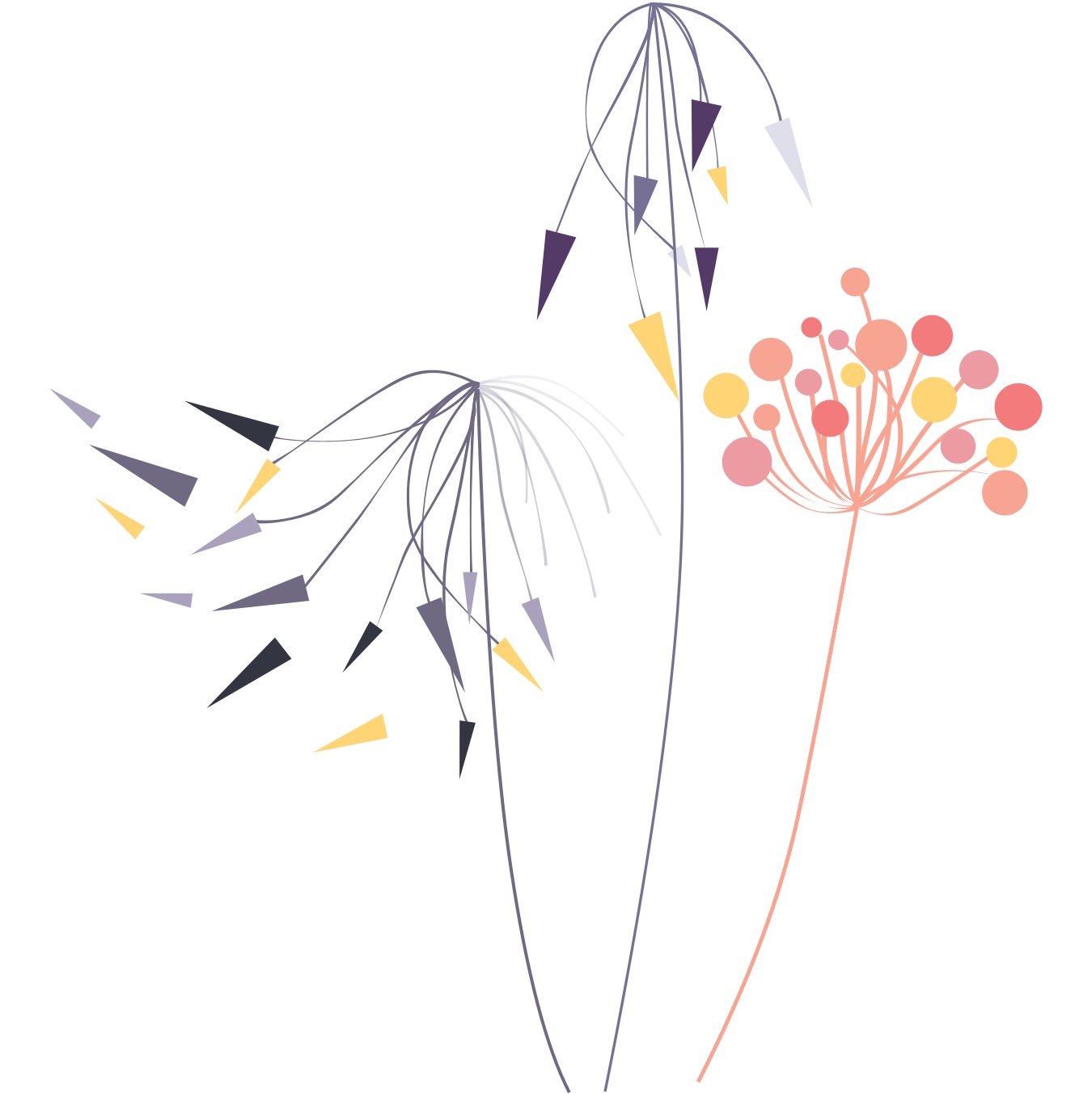
Upon entering the house, the user is given a complete overview of all the residents’ moods and who might need someone to talk to. This overall mood is visually represented on the corridor wall in the form of flowers. The moods are visualised through different colours, shapes and active movements. As the moods actively respond to the user and mimic their movements, the user is encouraged to interact with them. As soon as the user has decided on a flower and selected it, the flower detaches from its base and breaks apart into its individual parts. The individual parts move towards the stairwell.
Stairwell
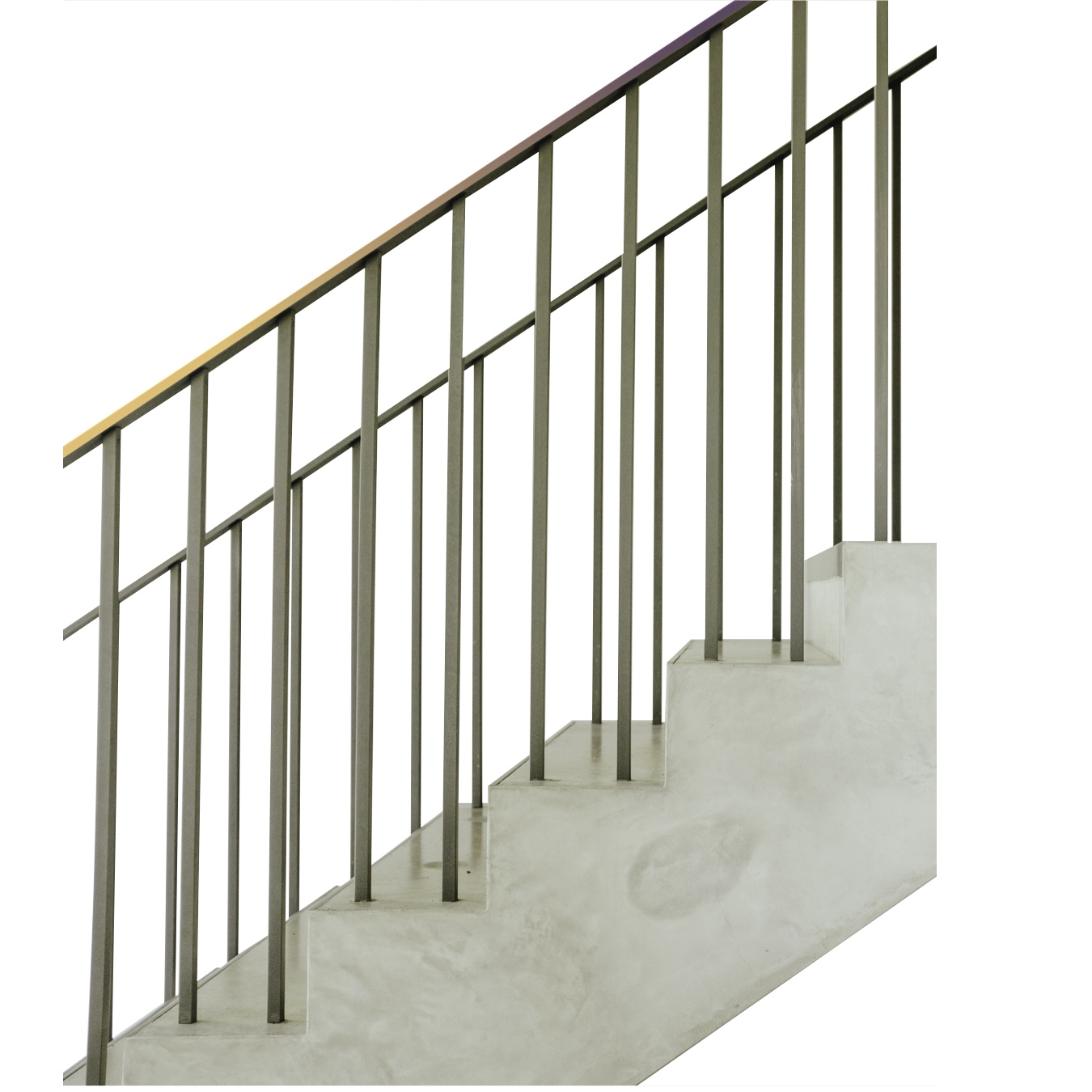
In the stairwell, the user is guided along the banister by light particles. These lead them to the front door of the previously selected flat. The animation prompts the user to follow it. As soon as the user reaches the front door, the light particles merge back together to form a flower. The doorbell is highlighted with special lighting to encourage the user to ring the bell at that flat.
Invisibility mode
Another feature of the system is ‘invisibility mode’. This is activated by the spy camera on the inside of the front door. This hides the people’s moods. This mode allows the house’s residents to enjoy moments of privacy. Once invisibility mode is activated, the resident can no longer see the moods of the other residents, as they are consciously withdrawing from the community. When the mode is deactivated again, the resident regains the ability to see the overall mood of the house.
In the flat
To make the system visible within the home as well, there is a visual display in the door frames of the kitchen and living room which also shows the moods of the household members. This display consists of fragments of light that can change colour, thereby symbolising the moods.
The visualisation is deliberately situated in a part of the room that lies more within the peripheral field of vision, as the system is not intended to actively interfere with everyday life.